About this story
Three people, three houses, three generations: Ali, Marah and Mohammed share their personal connection to Aleppo's Old City – stories of loss, return, and the resilience that lives on within the walls of traditional houses. Their voices are part of a larger endeavour: to preserve the tangible and intangible heritage of one of the world's oldest cities.
In 2025, three field teams systematically documented four Old City neighbourhoods over three months: al-Jadideh, al-Hazzazeh, al-ʿAqabeh and Suwaiqat ʿAli. A total of 1,734 buildings were recorded, with nearly 500 documented in full, both inside and out. Alongside the structural damage mapping, the team conducted interviews with residents to document return patterns, demographic changes and personal oral histories. All data collected was integrated into a newly established QGIS platform and made accessible through the online archive of the Syrian Heritage Archive Project. Ali, Marah and Mohammed are among the people the team encountered along the way.
Their stories were gathered as part of the project Documenting and Mapping the Current Status of Historic Buildings in Aleppo's Old City – a joint project of the Museum for Islamic Art in Berlin and the Friends of the Museum for Islamic Art, funded by the German Federal Foreign Office. Its aim is to document the tangible and intangible heritage of the Old City and preserve it for future generations.
Ali Hafez
A material loss, but a deep spiritual connection...
Ali from the Al-Jdayde neighbourhood lost his home and his livelihood during the war. And yet he remained rooted within: in the place that shaped him, in the streets he has known since childhood. His testimony reminds us that material loss and a deep sense of belonging can exist at the same time.
Marah Sultan
She returned home after thinking it was lost forever…
Marah returned with her family to a traditional Aleppian house – a house she had once believed was lost for good. Her childhood memories, the rhythms of daily life, the light filling the rooms: all of it is back. Life has returned to its walls.
Mohammed Abo Bai
Three generations under one Aleppian roof…
Mohammed lives with three generations under one roof. He speaks of coexistence in the Old City, of neighbourliness as a lived practice, and of his confidence that these houses will offer his children a future too. Traditional houses, he says, were always designed to bring families together.
DISCOVER MORE MEMORIES FROM ALEPPO
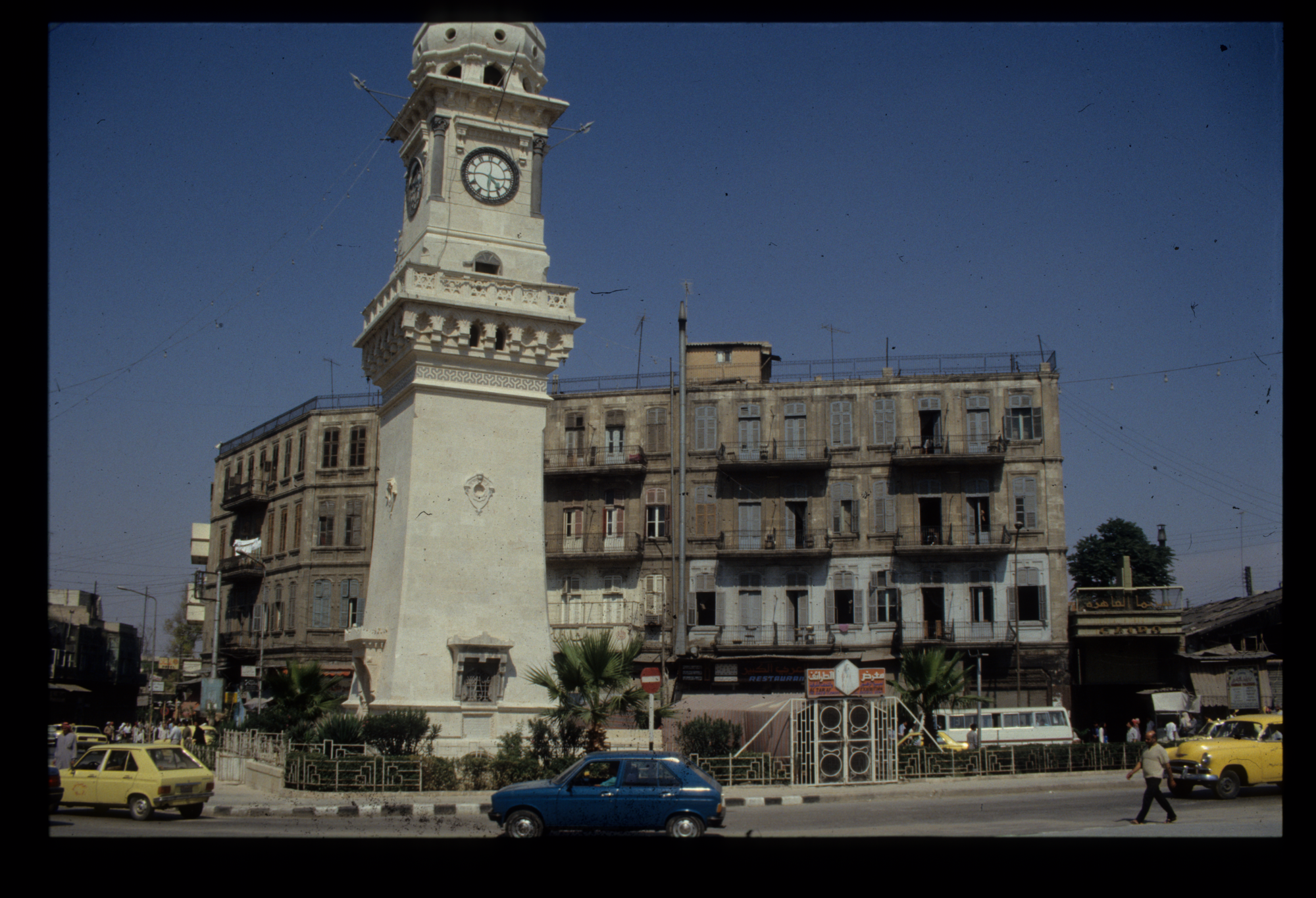
Restoring Bab Al-Faraj Clock
This is a memory from Aleppo about a young boy's fascination with the broken Bab Al-Faraj clock and his dreams of fixing it. This is part of a series about memories from Aleppo.
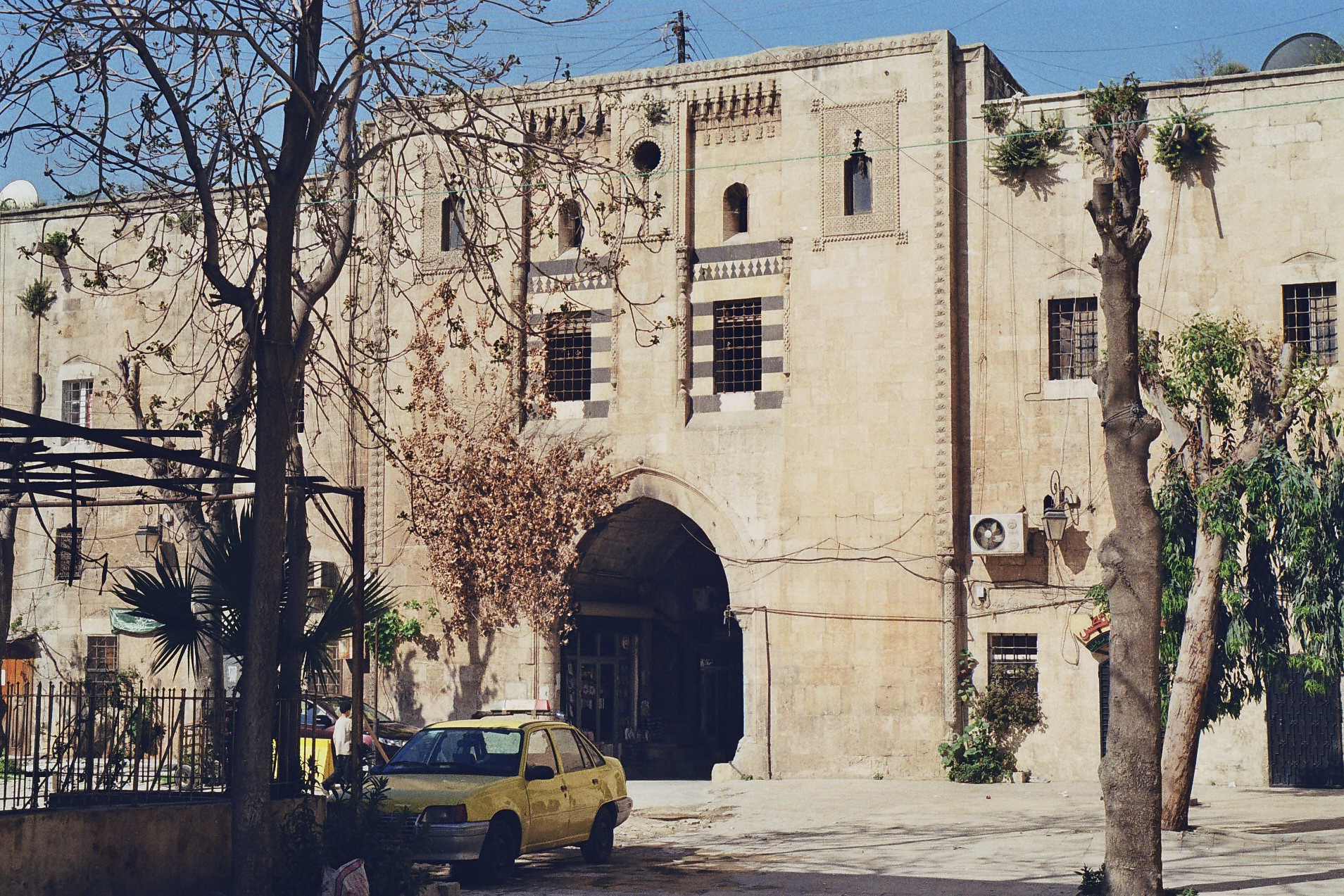
The Khan al-Wazir
This memory is a personal journey through Khan al-Wazir, Aleppo, of a textile merchant who grew up and worked in the historic trading center. It explores Paul’s memories and experiences of the Khan, and their hopes for its future restoration.
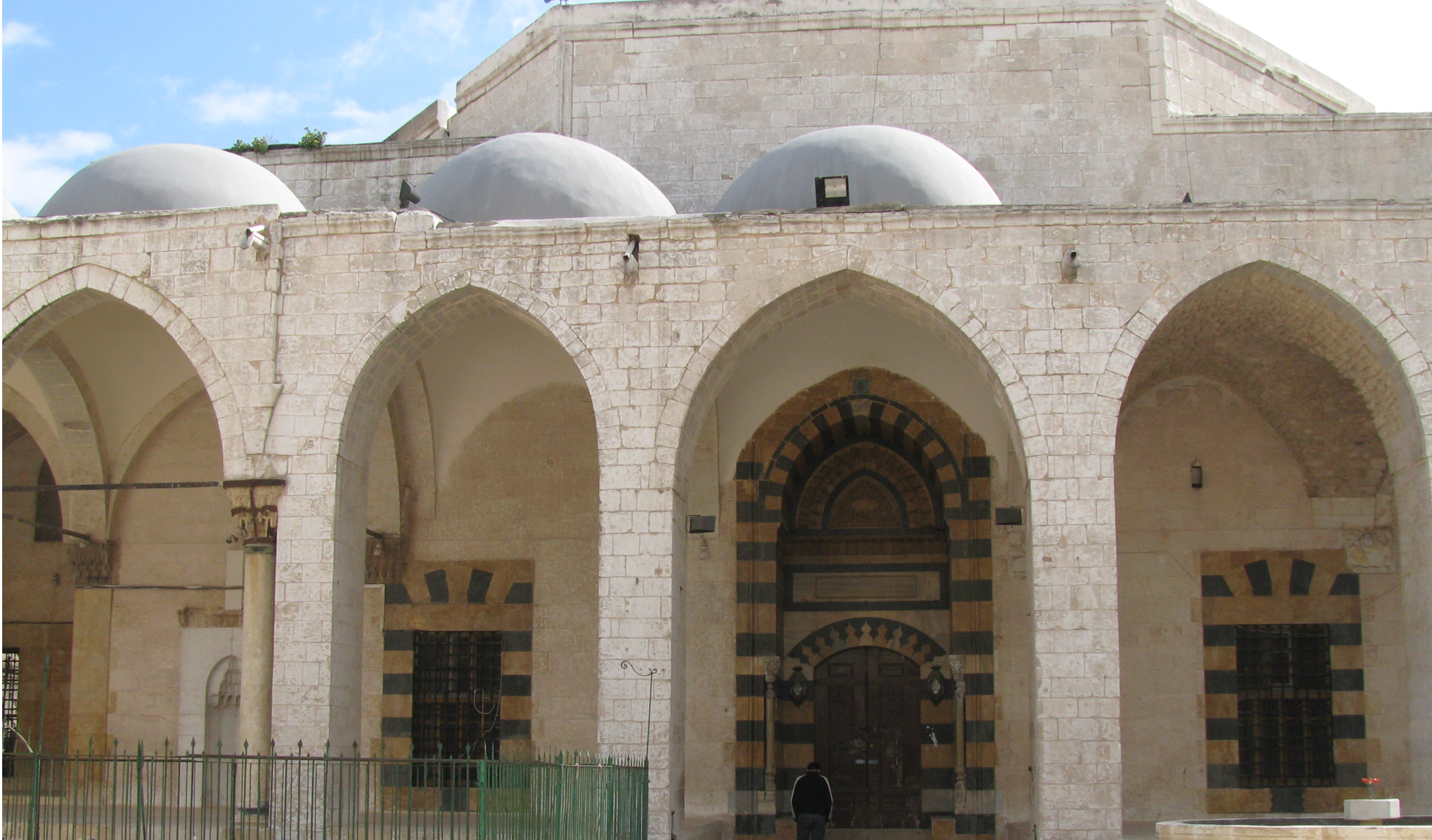
The al-Bahramiyya Mosque
A deeply personal account of one man's relationship with a beloved mosque that has been ravaged by war. This memory is a touching tribute to a place that holds deep meaning for the narrator, Sami Bahrami, and the Aleppian community.
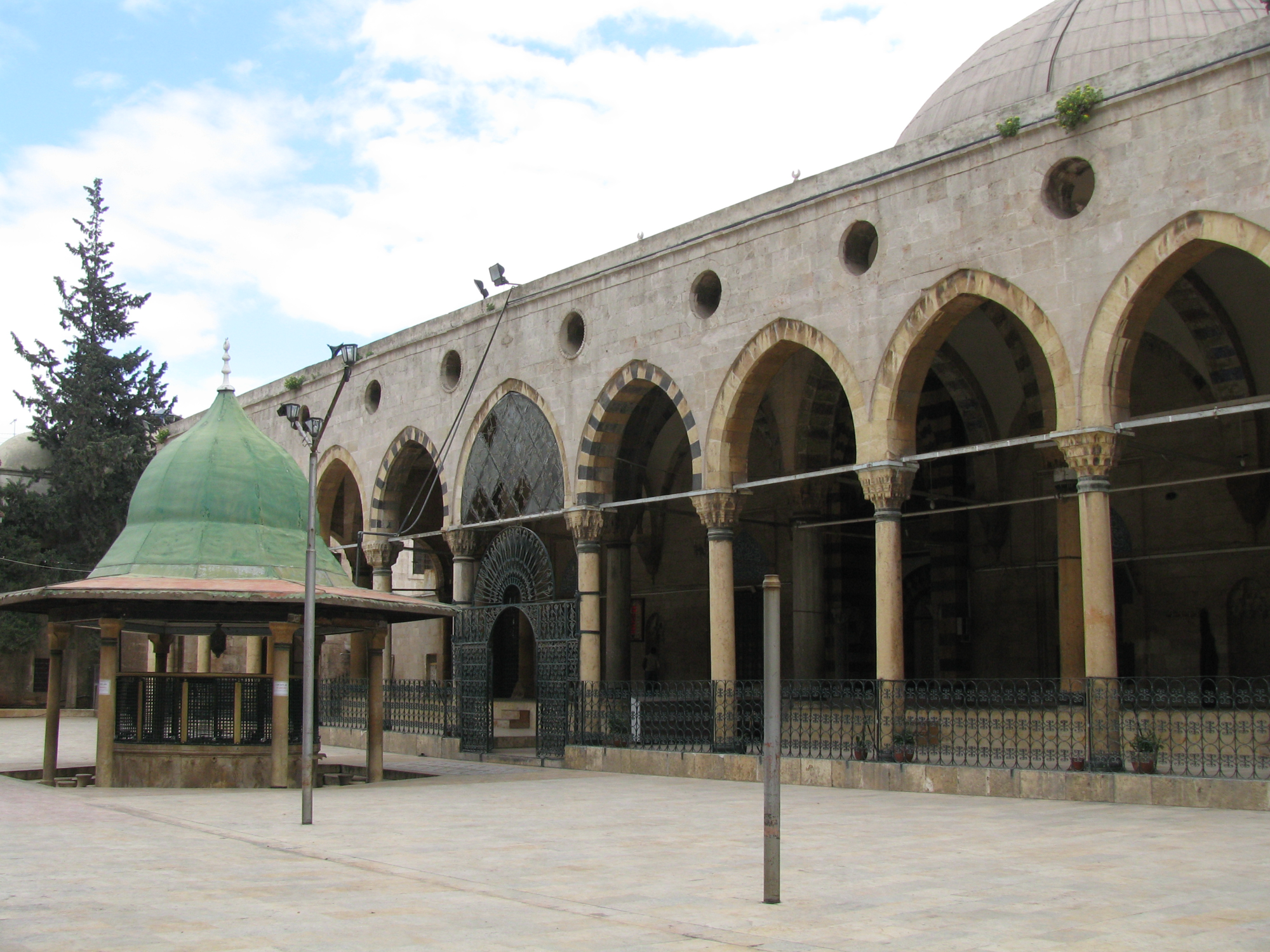
The al-ʿAdiliyya mosque
In this memory statement, Omar Abd Alwahhab Katta recounts his personal connection to al-ʿAdiliyya Mosque in Aleppo, which holds both historic and religious value for the people of Aleppo.
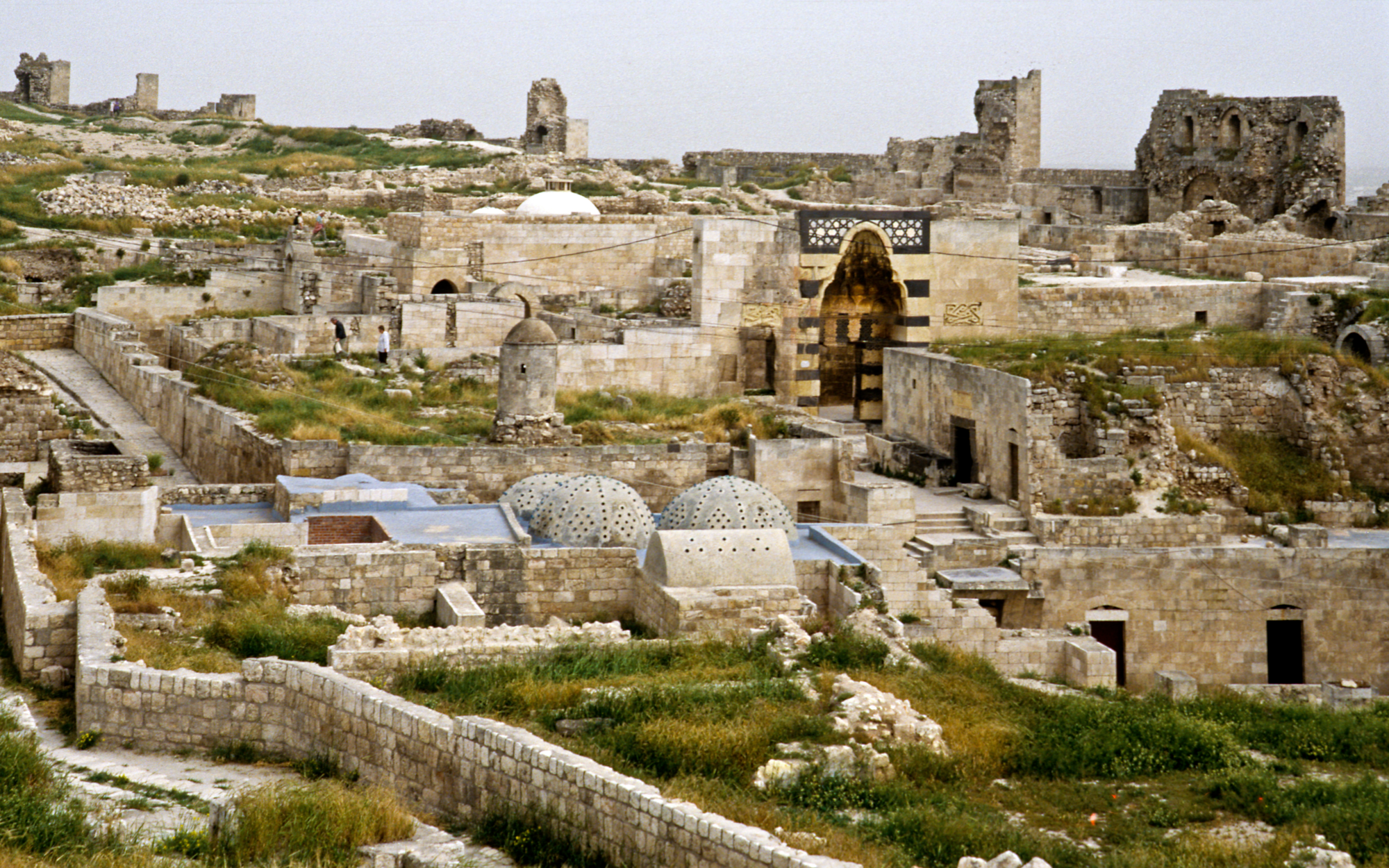
The Aleppo Citadel
The Aleppo Citadel is not just a historical monument but also a place of memories, love and identity for many Syrians. This is a statement of a young lady’s experiences and memories of the citadel, from childhood dreams to falling in love and the impact of war.
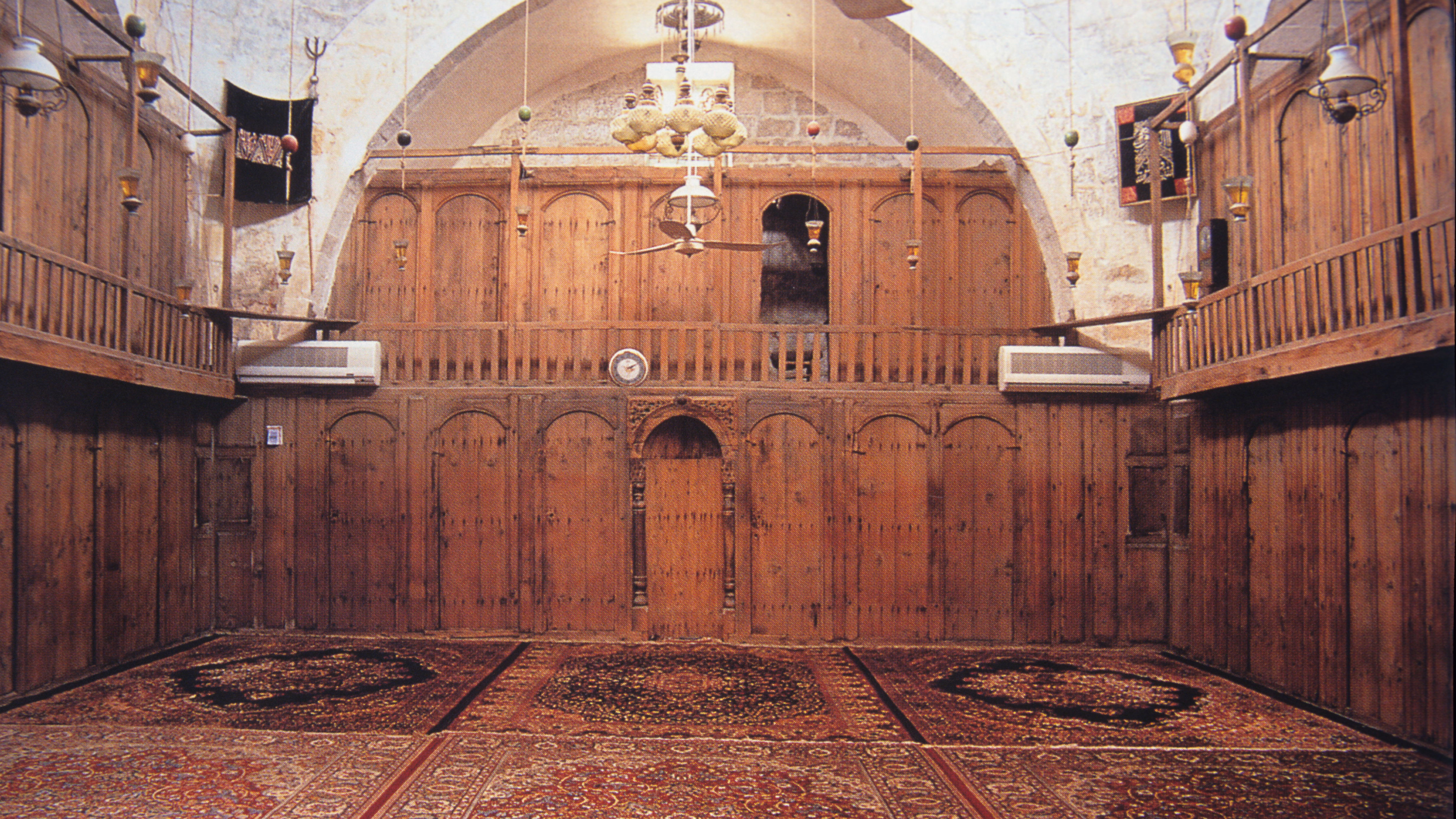
The Tradition of Az-Zawiya Al-Hillaliyya
This is a memory from Aleppo about a woman’s personal experience of Az-Zawiya al-Hillaliyya, a Sufi ritual prayer place in Aleppo with 800 years of history.