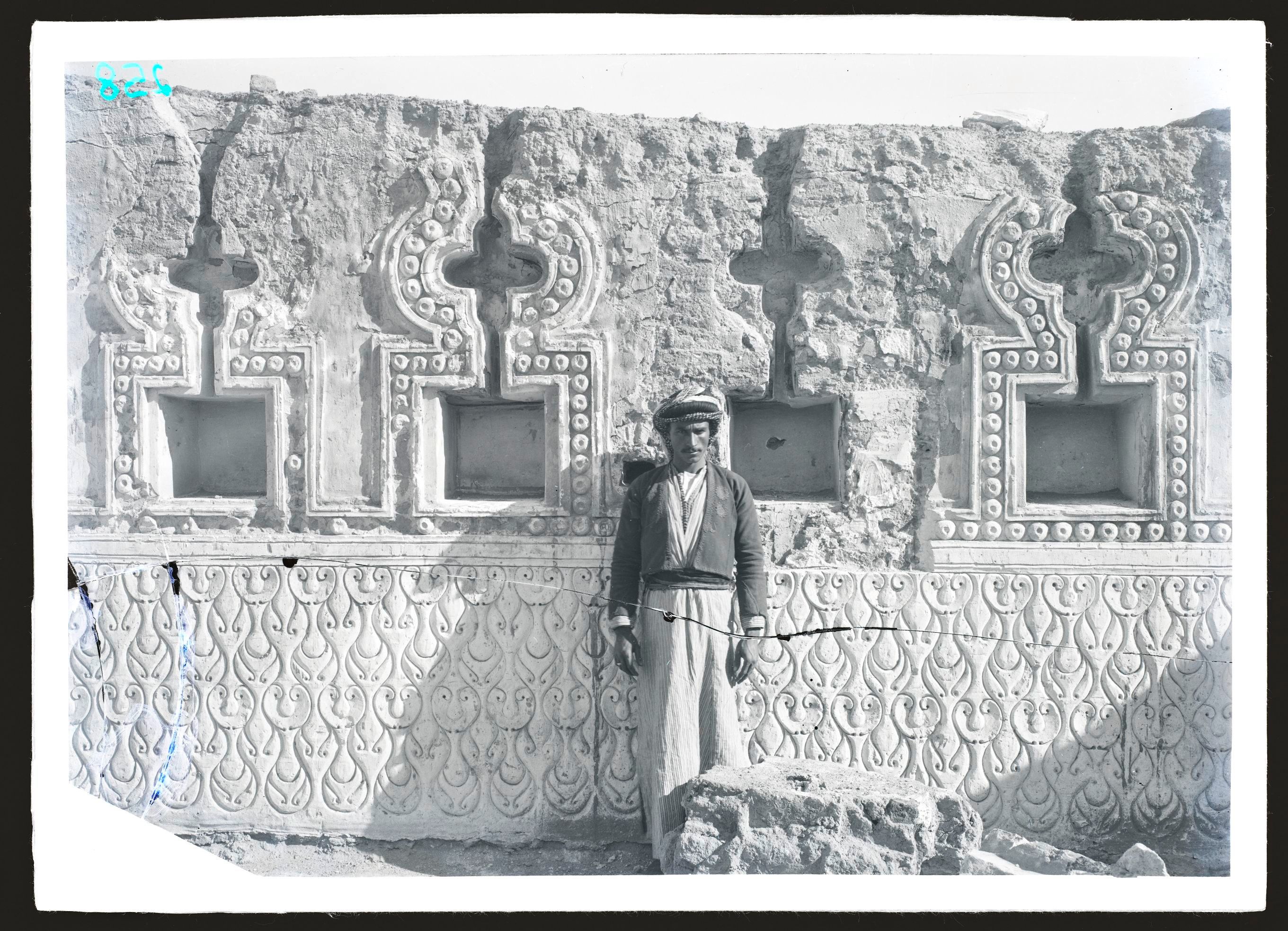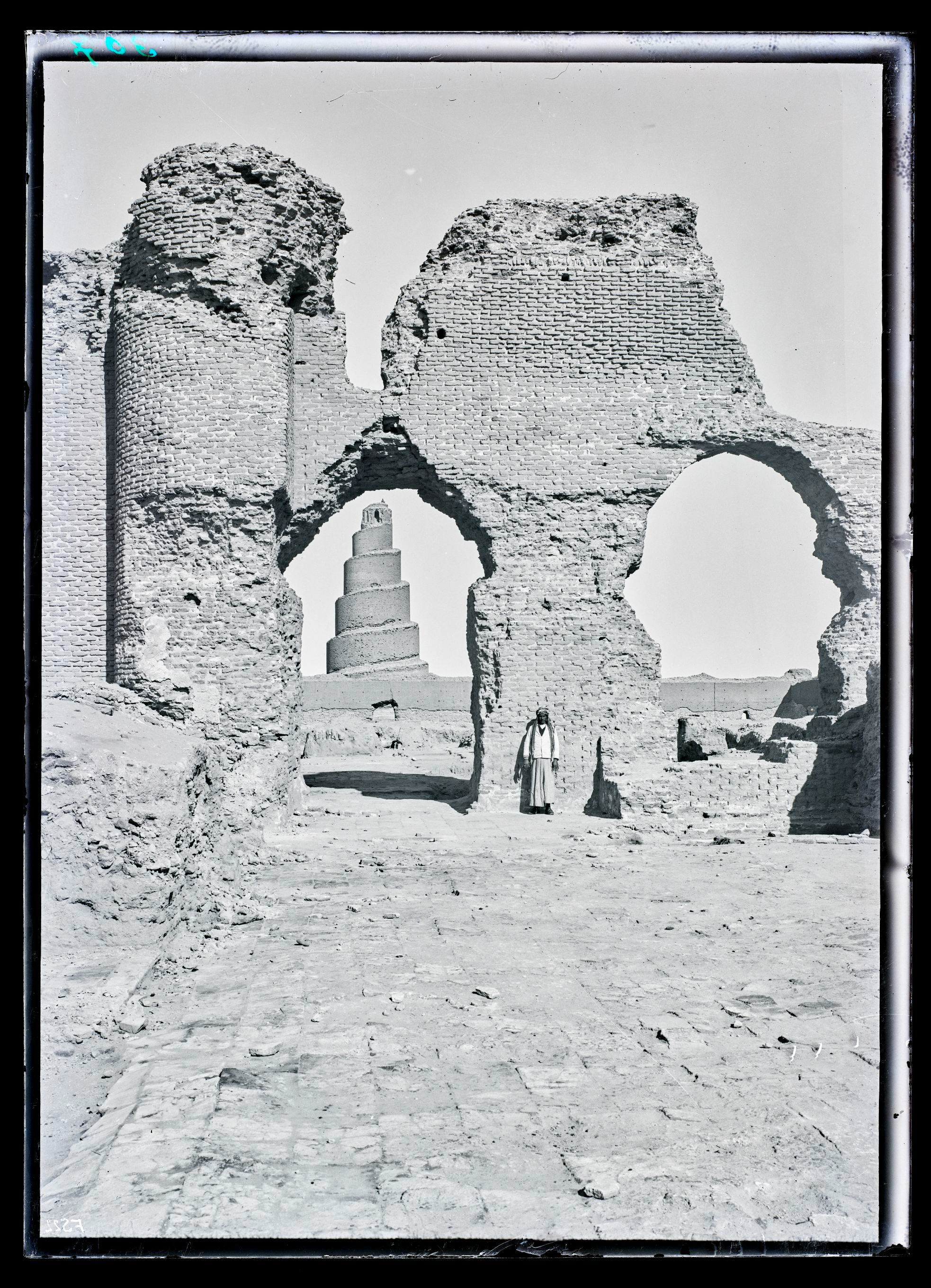
In 2013, for the 100 year anniversary of the excavation, the Museum of Islamic Art showed an exhibition of the legendary residential city Samarra, located around 120 km north of Baghdad by the Tigris, which served as a seat of government for the powerful Abbasid Caliphate from 836 to 892. Samarra was one of the world's most elaborate city complexes. It covered an almost 50 km expanse with its gigantic palaces, mosques, hunting reserves, polo playing fields and horse racing tracks.
The following interviews were given as part of the exhibition "Samarra - Centre of the World, 100 and 1 Years of Archaeological Research by the Tigris".
Samarra 2012
A contribution by Zein Alnaqshbandi and Omar Hussein.
Samarra - the centre of the world
A contribution by Julia Gonnella.
Excavtion and sites in Samarra
Samarra in the '80s
A contribution by Amir and Miriam Mahdi.
Samarra in the Museum for Islamic Art
A contribution by Stefan Weber.
MORE STORIES ABOUT SAMARRA
DIGITALISING SAMARRA
All of the 1.500 or so preserved photographs of two excavation campaigns are now available for the first time.
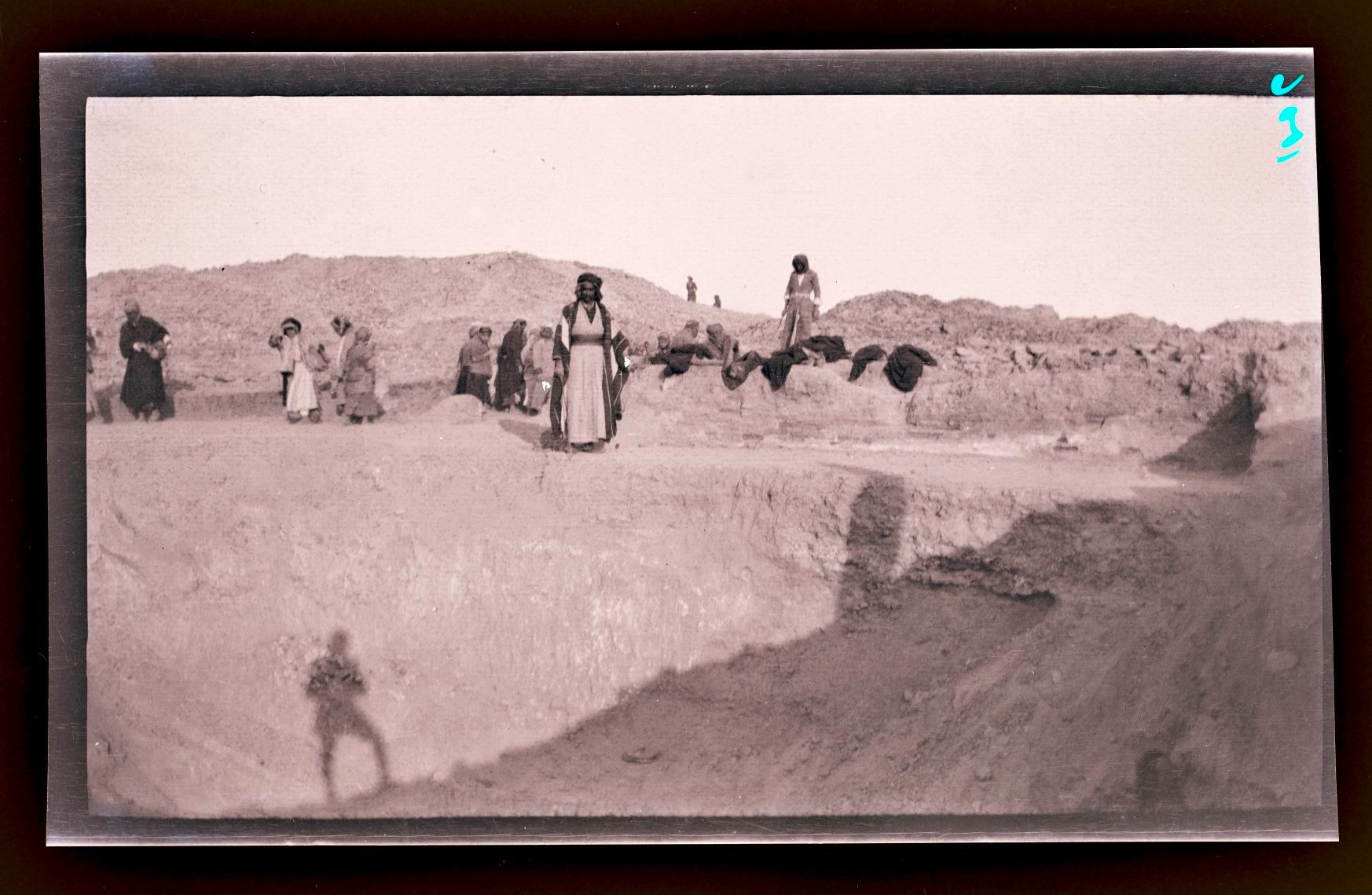
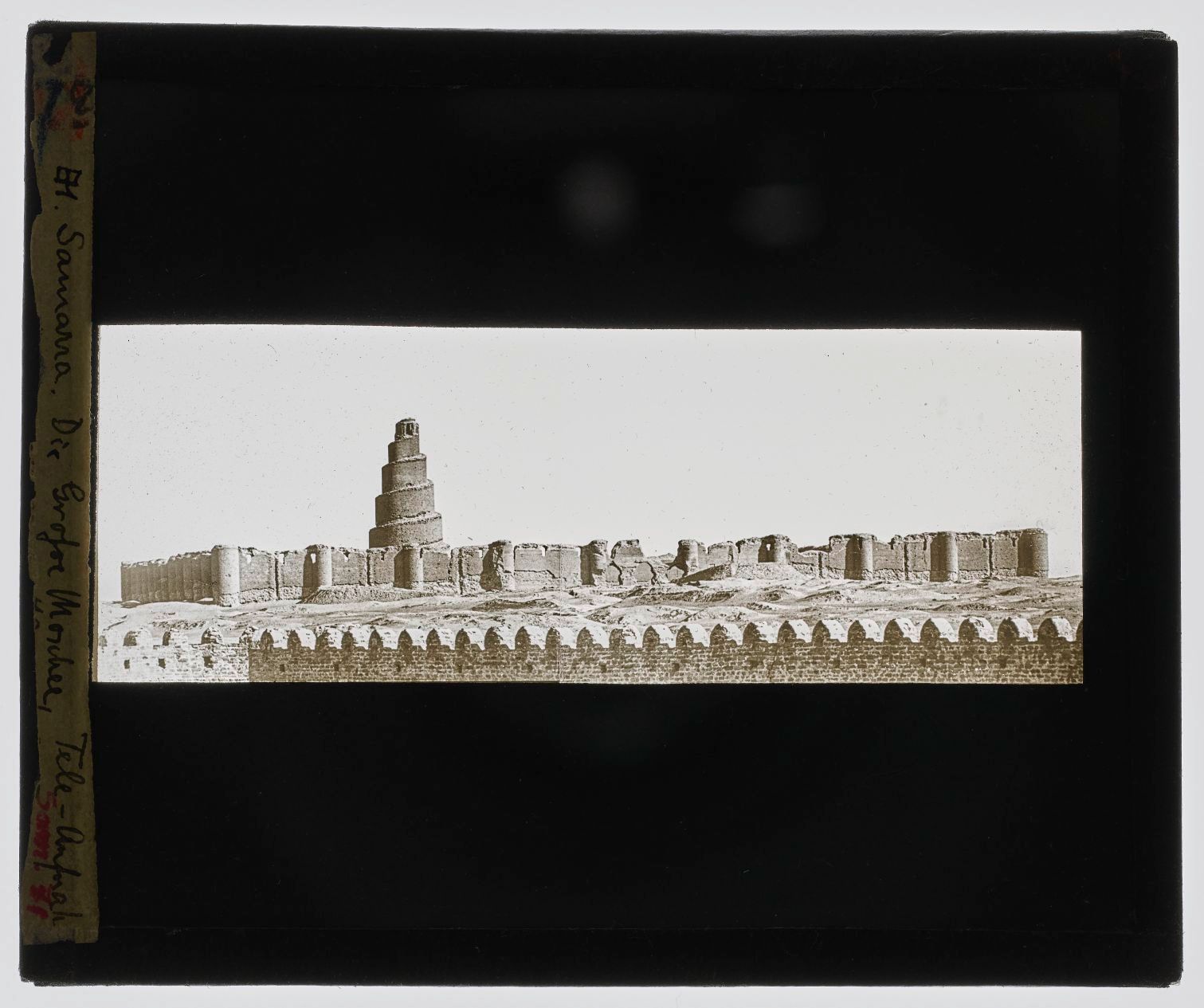
Samarra Revisited
What actually happens behind the scenes in the museum? The special exhibition "Samarra Revisited - New Perspectives on the Excavation Photographs from the Palaces of the Caliph" opens a very personal insight of the employees into the museum work.